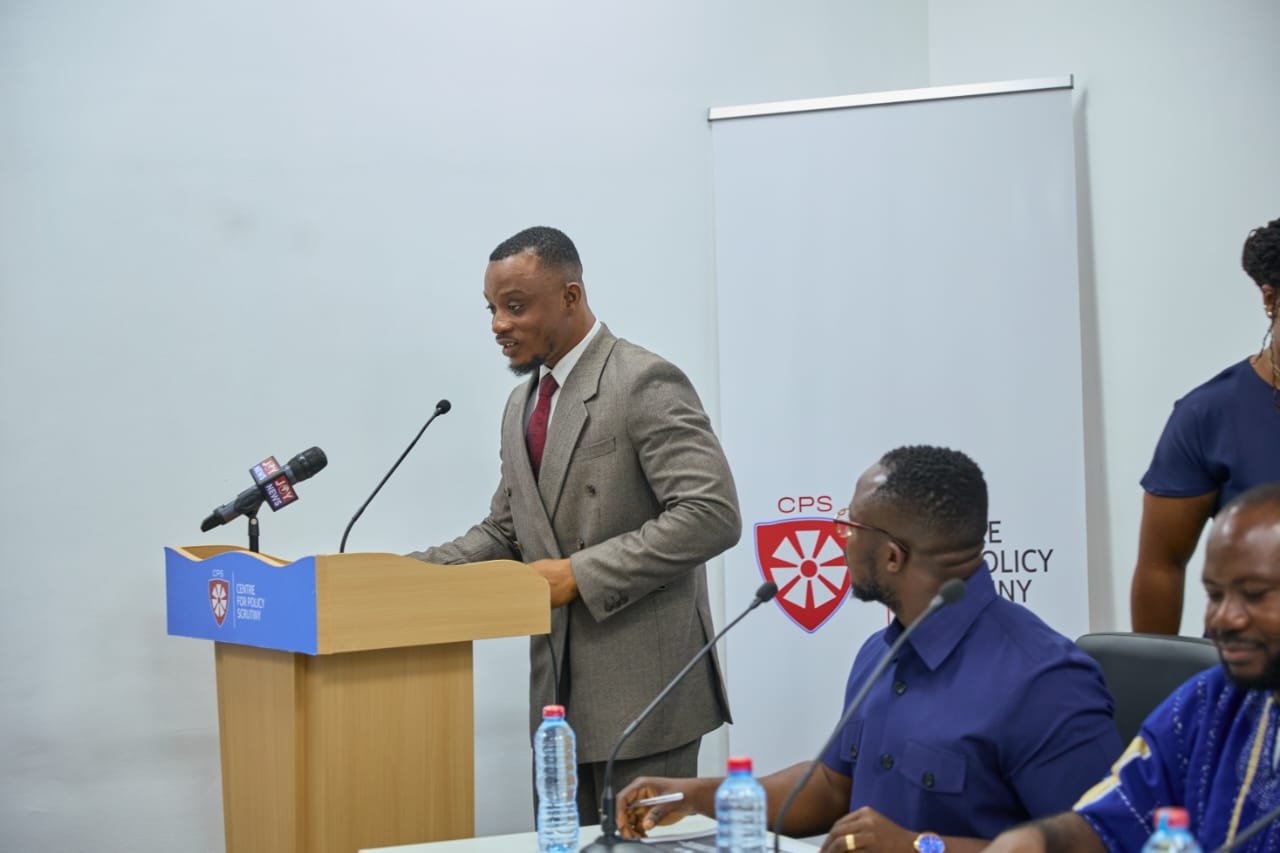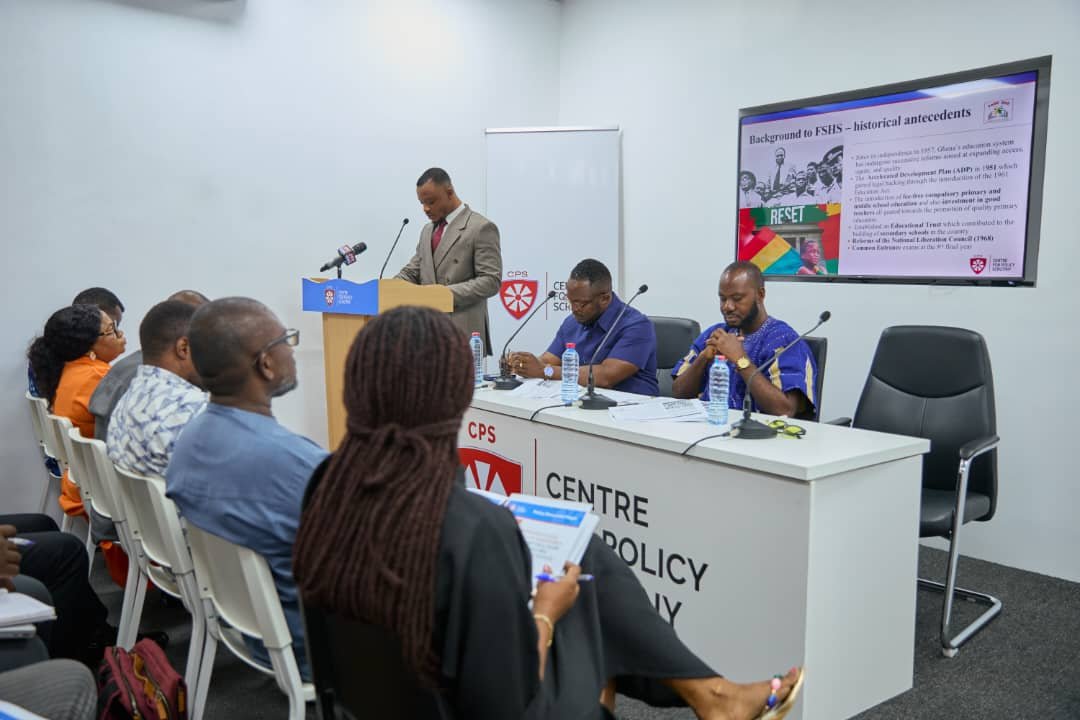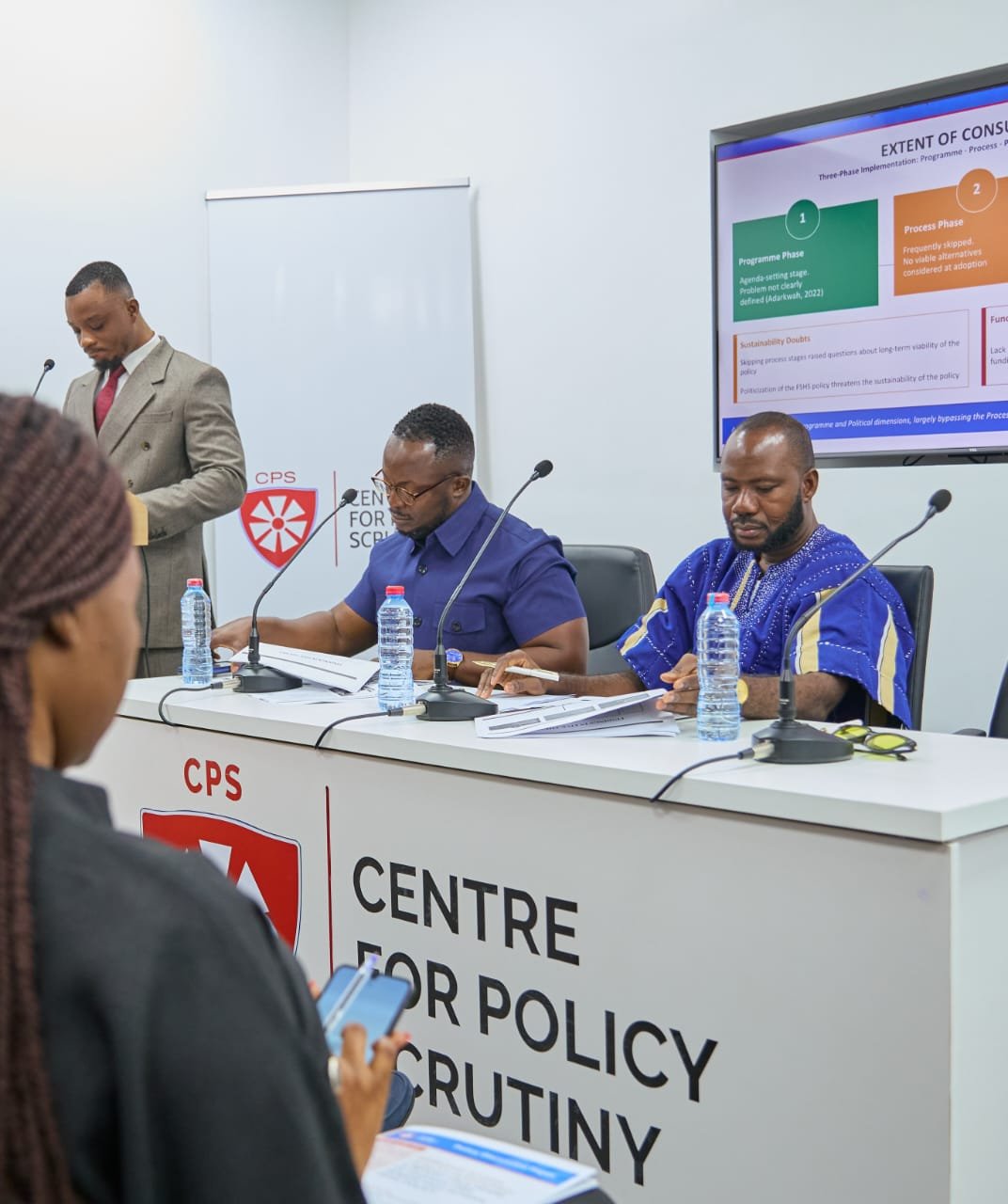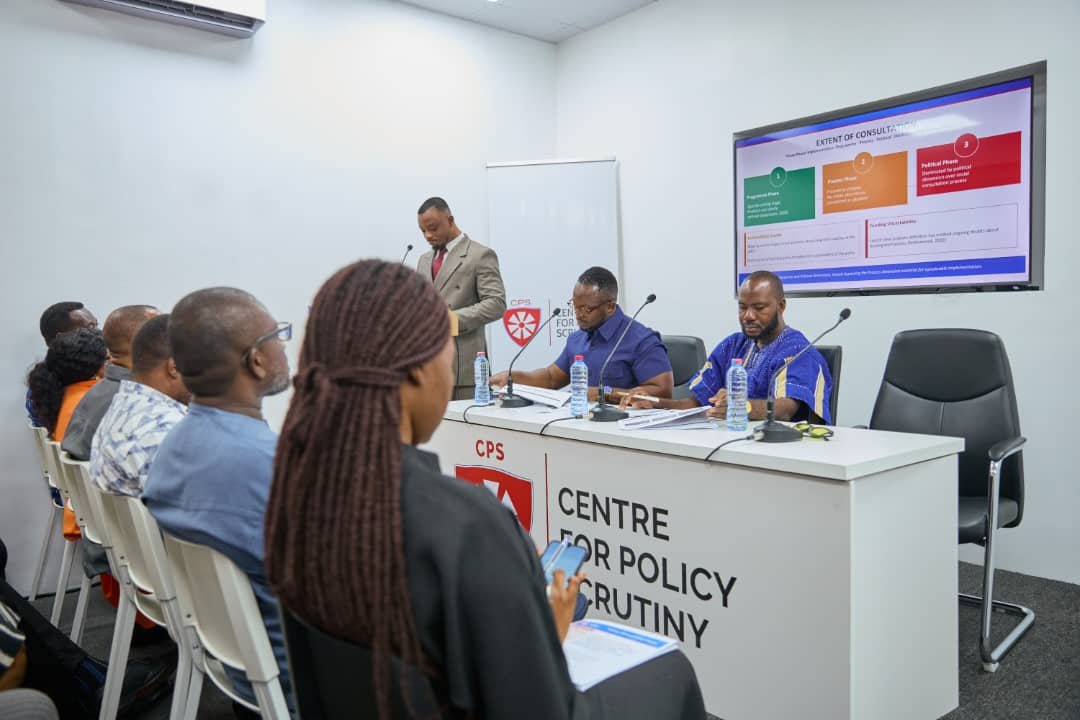
The Centre for Policy Scrutiny (CPS) has called for major reforms to the Free Senior High School (Free SHS) programme, saying urgent measures are needed to address persistent challenges in quality, equity, infrastructure and financing to sustain the gains made over the past nine years.
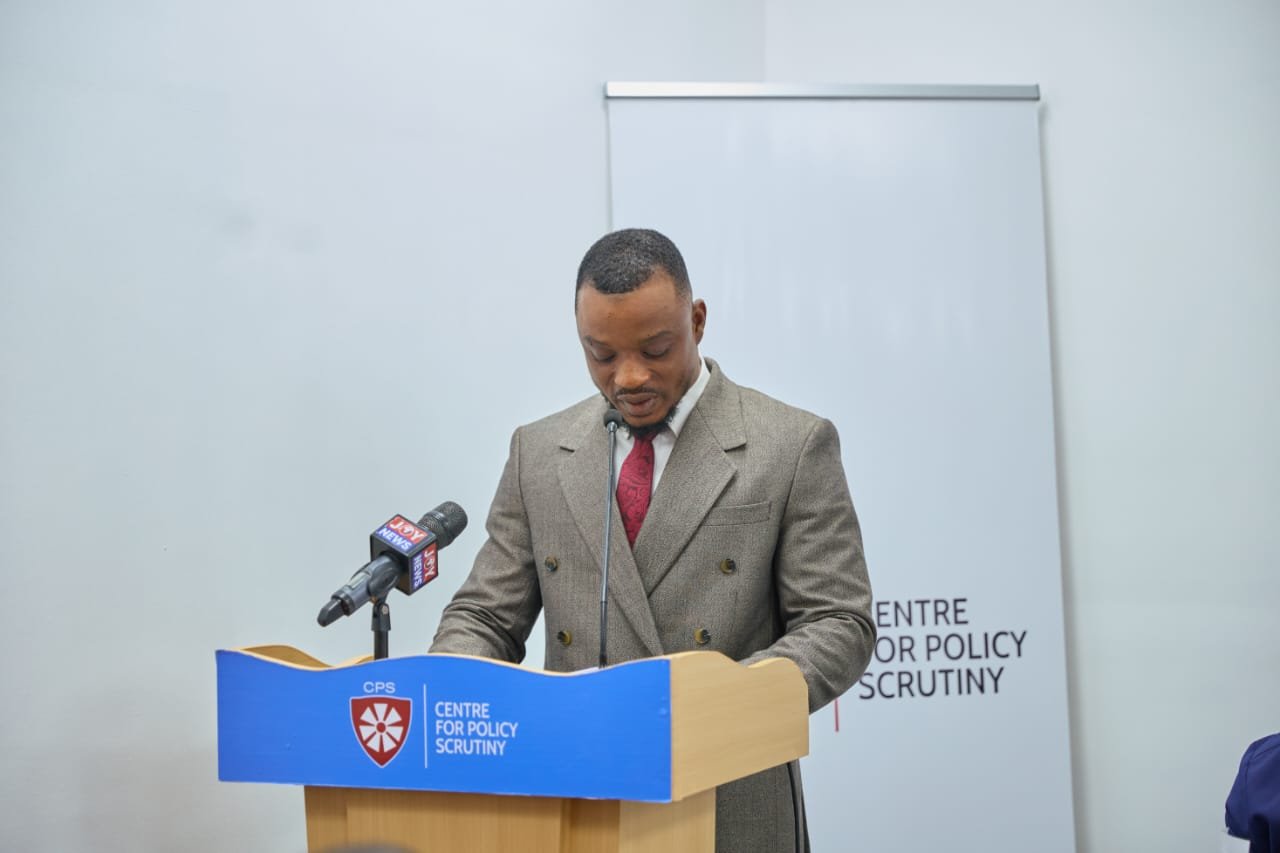
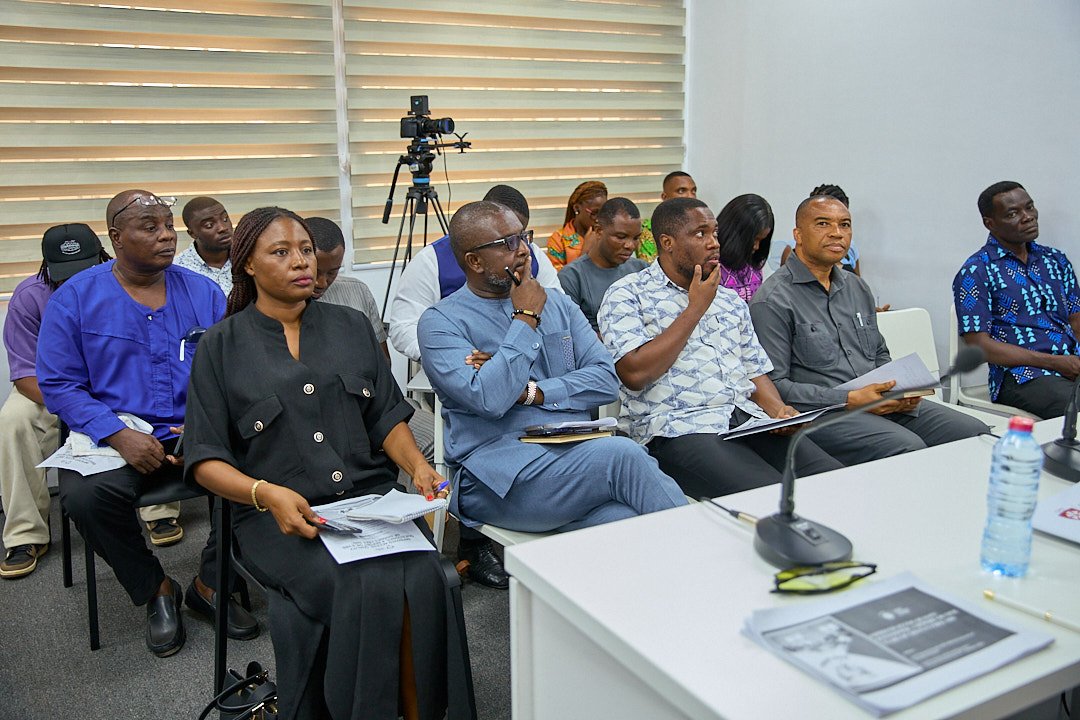
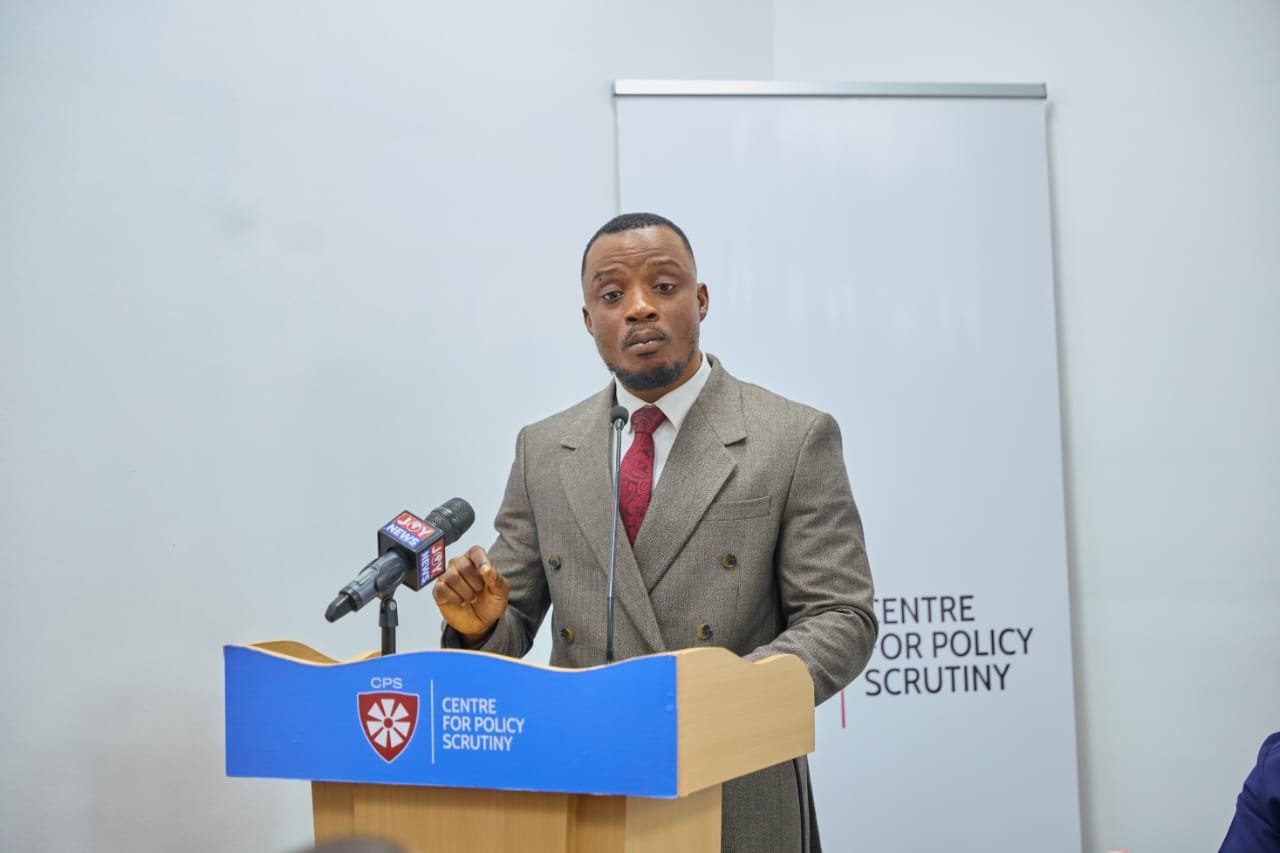
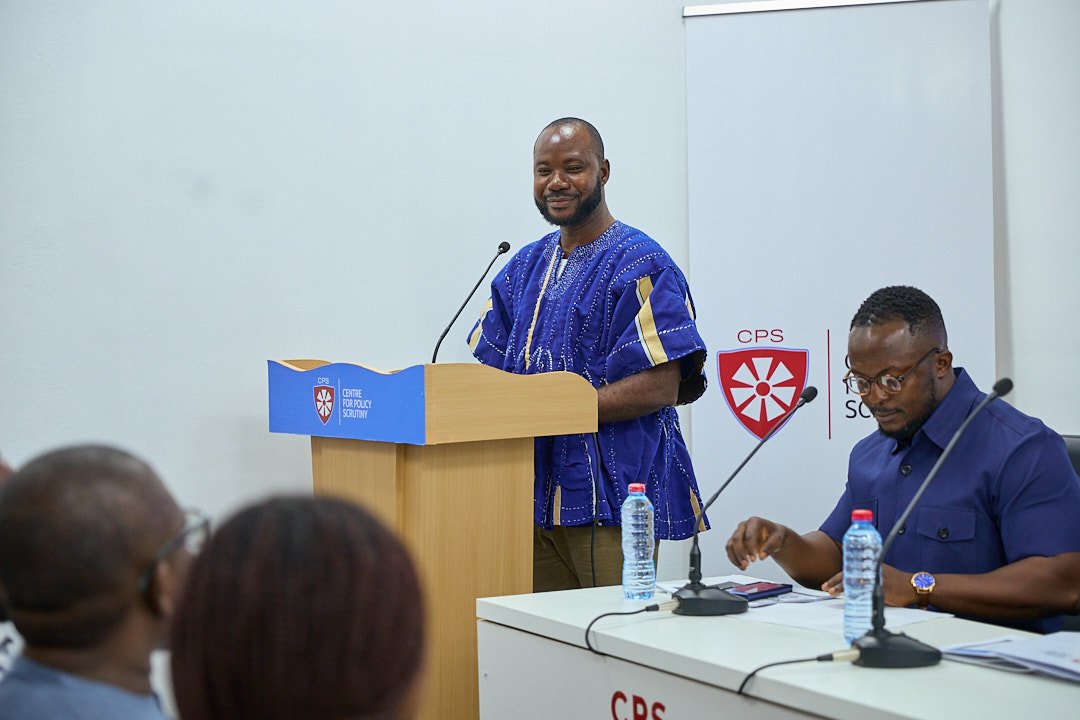
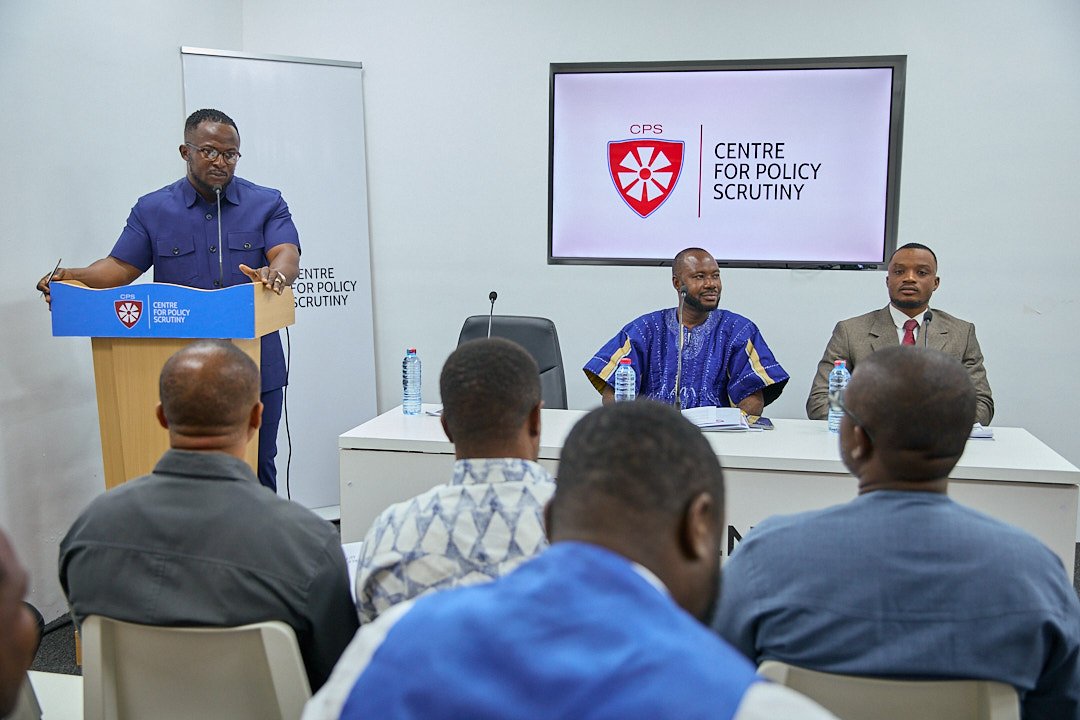
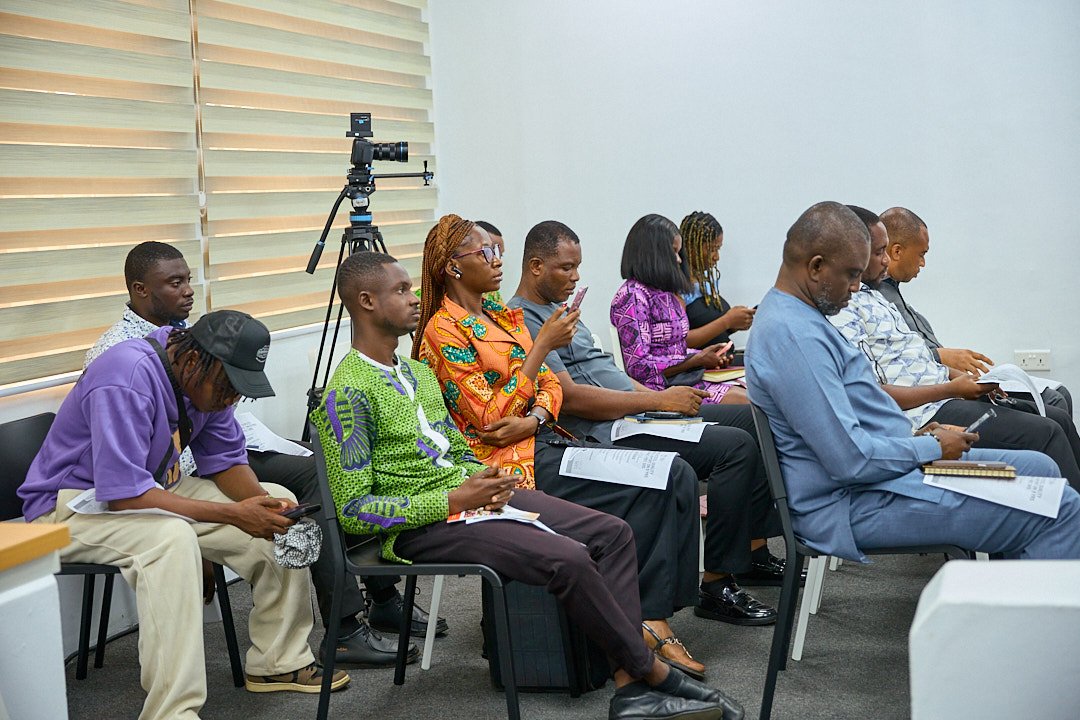
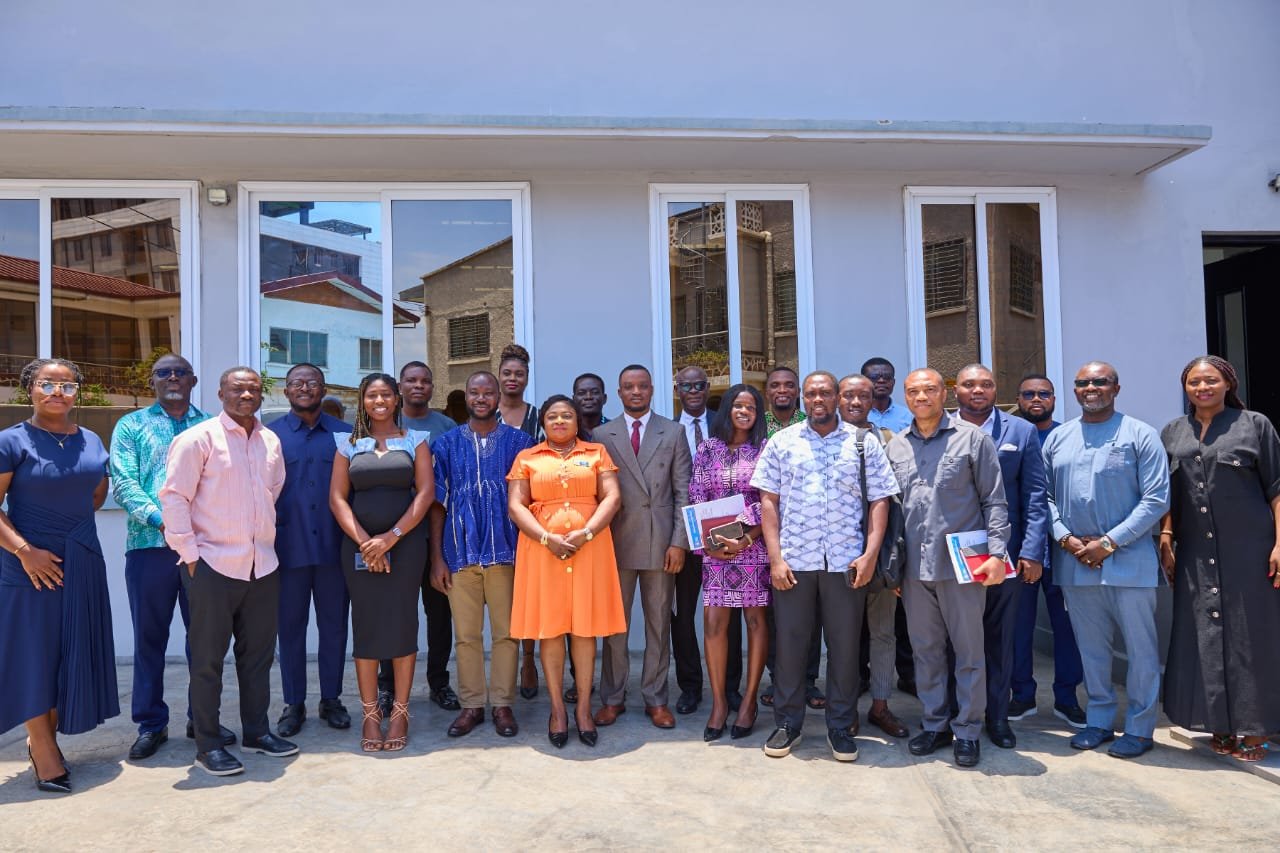
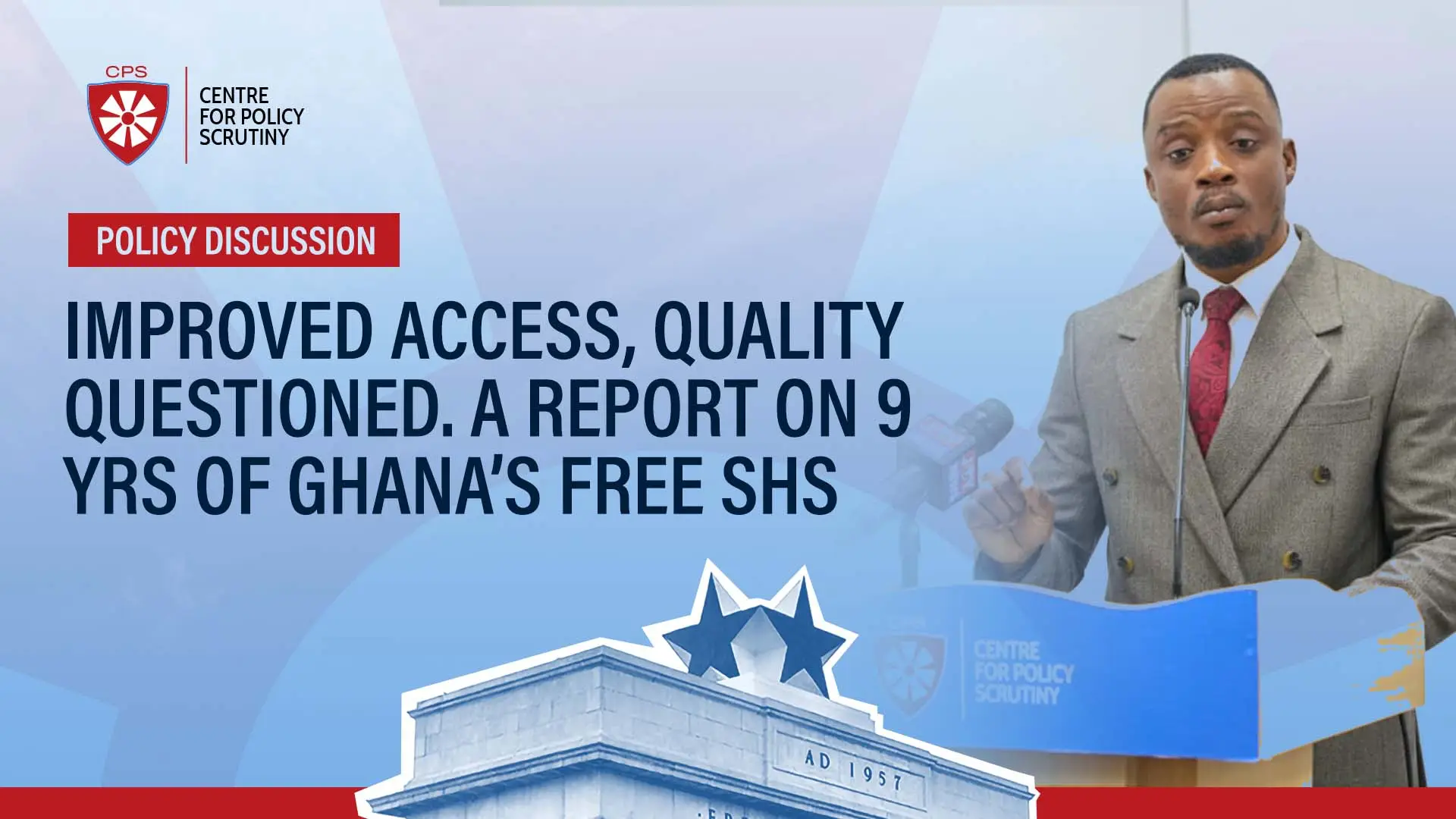
The call was made at a public lecture organised by the CPS on Tuesday, September 1, 2026 to assess the implementation of the programme under the theme “Improved Access, Quality Questioned: A Report on 9 Years of Ghana’s Free SHS.”
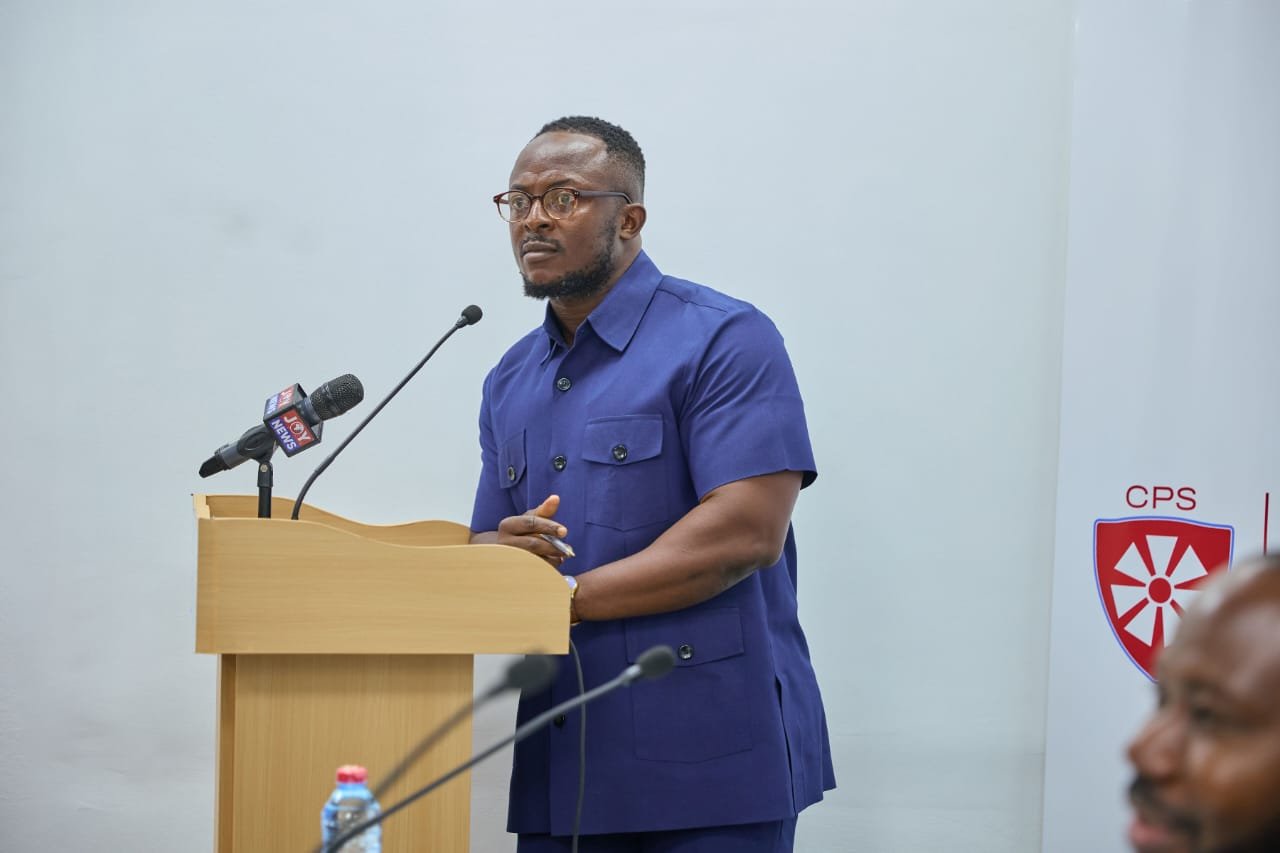
The review, presented by Lecturer at the Faculty of Liberal and Social Studies Education of the University of Education, Winneba , Jacob Oppong Nkansah (PhD, PhD) acknowledged Free SHS as a significant social intervention that has expanded access to secondary education and provided substantial financial relief to families.
According to him, the policy increased enrolment by more than 27 per cent in its first year, narrowed the gender gap in secondary education and enabled many students from poor and rural backgrounds to progress from Junior High School to Senior High School.
Families interviewed for the study reported significant financial relief, while students described the policy as providing dignity, opportunity, social mobility and a chance to pursue secondary education that might otherwise have been beyond their reach.
However, the review found that these gains have not been experienced uniformly across the education system, with significant disparities emerging between schools in different resource categories.
It noted that while Category A and B schools generally benefit from stronger infrastructure and additional support, Category C and D schools continue to struggle with overcrowded classrooms and dormitories, inadequate dining facilities, shortages of food and furniture, and delays in receiving textbooks and other learning materials.
The report warned that the unequal distribution of resources risks widening existing disparities rather than achieving the equity objectives of Free SHS.
“These findings are not evidence that Free SHS should be abandoned; they are evidence that it cannot survive, in its current form, unreformed,” the review stated.
CPS also identified overcrowding as a major challenge confronting the programme, with the surge in enrolment placing considerable pressure on classrooms, dormitories and dining halls.
Teachers interviewed reported class sizes of between 60 and 80 students in some schools, making effective teaching and individual attention difficult. The situation has also increased teachers’ workloads and placed additional pressure on kitchen and other support staff.
The review further highlighted concerns over student accountability and academic standards.
It found that automatic placement without academic readiness benchmarks, together with the removal of grade repetition, had contributed to weakened student motivation and discipline in some schools.
Teachers and school authorities also raised concerns about the misuse of government-provided tablets and other learning resources, leading to calls for stronger monitoring, remedial programmes and performance-based progression.
The CPS review also questioned the extent to which Free SHS remains “free” for families, noting that households continue to bear some costs despite the removal of tuition fees. It said prospectus requirements have imposed financial burdens on parents, while the double-track system has reduced student contact hours and increased pressure on teachers. Some parents have consequently had to pay for additional classes.
Financing also emerged as a major concern, with the review warning that Free SHS remains vulnerable because its financing depends heavily on annual budgetary allocations rather than a structurally secured and predictable funding mechanism.
The Center is therefore advocating a more sustainable financing framework, including diversification of the programme’s funding base and measures to insulate its financing from short-term fiscal and political pressures. It also recommends anchoring Free SHS in bipartisan legislation to provide greater certainty over its scope, funding and implementation.
It recommends that resources be deliberately redirected towards disadvantaged schools, particularly Category C and D institutions, to address infrastructure and learning-resource deficits.
It also calls for improvements in the working conditions, remuneration and incentives of teachers and non-teaching staff, including kitchen workers, whose workloads have increased significantly under the programme.
On governance, the CPS wants stronger and more regular engagement between the Ministry of Education, school authorities, teachers, parents and other stakeholders to improve transparency and accountability, particularly in school placement and resource allocation.
The Centre is also advocating the introduction of academic readiness criteria or cut-off points, coupled with remedial support for students who require additional academic assistance.
The review argues that such measures could help Ghana balance the objective of universal access with the need to maintain academic standards and strengthen student accountability.
Drawing lessons from countries including Finland, Norway, Singapore, South Korea, Kenya, Rwanda and Botswana, the CPS said sustainable free secondary education requires more than simply expanding enrolment.
It must be accompanied by equitable resource allocation, quality assurance, effective governance and investment in teacher and staff welfare.
This the Centre’s Executive Director, Dr. Adu Owusu Sarkodie stressed that the findings should not be interpreted as a call to abandon Free SHS but as a call to reform its design and implementation.
The review concludes that Free SHS remains one of Ghana’s most consequential social interventions, but its long-term sustainability will depend on whether the country can close the quality and equity gaps, strengthen its financing architecture and ensure that access is matched by the resources necessary to deliver quality education.